
|
11
min read
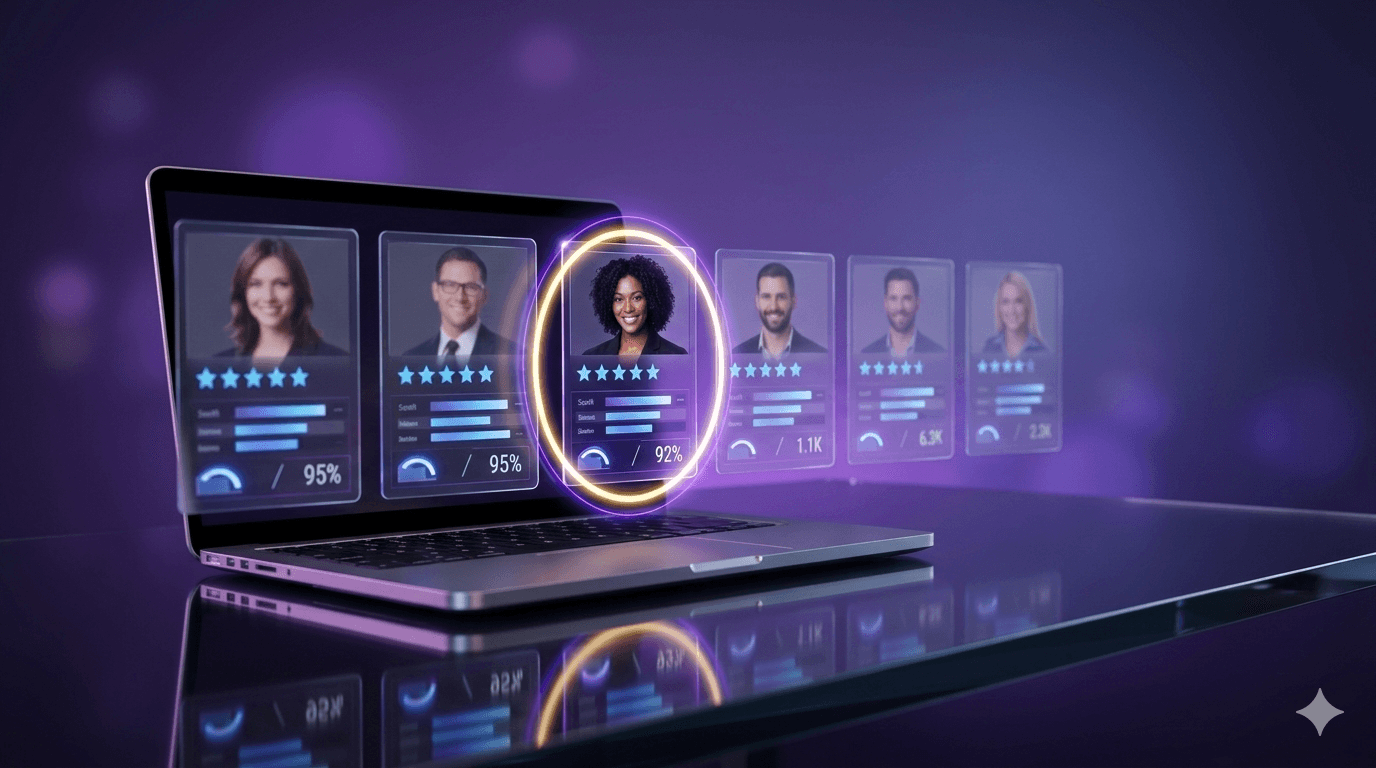
How to Reduce Hiring Bias: Practical Strategies for Startups Using AI
In today’s competitive landscape, startups can't afford to overlook the impact of how to reduce hiring bias on their growth. Bias in recruitment not only undermines the fairness of the hiring process but can also stifle diversity and innovation within your team. This comprehensive guide will provide insights and actionable steps to create an equitable hiring process leveraging AI tools for immediate results.
Understanding Hiring Bias and Its Impact
What is Hiring Bias?
Hiring bias refers to the unconscious prejudices and stereotypes that can affect decision-making during recruitment, leading to unfair advantages or disadvantages for candidates based on their background, gender, age, or other characteristics. It's a pervasive issue that affects many organizations, particularly startups looking to build cohesive and diverse teams.
Effects of Hiring Bias on Startups
The effects of hiring bias on startups can be profound. Not only can it limit the pool of qualified applicants, but it can also reduce employee morale and increase turnover. Startups that fail to embrace diversity risk missing out on varied perspectives essential for innovation. In fact, a report from McKinsey shows that diverse teams are 35% more likely to outperform their non-diverse counterparts.
Identifying and Evaluating Hiring Bias
How to Identify Hiring Bias
Identifying hiring bias begins with reviewing your recruitment processes. Look for patterns in candidate selections that may indicate bias, such as an imbalance in shortlisted candidates based on gender or ethnicity. Tools like recruitment analytics can help uncover these hidden biases by tracking the demographics of candidates at each stage.
Steps to Evaluate Candidates Without Bias
To evaluate candidates fairly, consider implementing structured interviews where each candidate is asked the same questions. This reduces the opportunity for personal biases to impact decisions. Moreover, use rubric assessments that focus on skills and qualifications rather than resumes alone.
AI Solutions for Eliminating Recruitment Bias
The Role of AI in Recruitment
AI in recruitment can play a transformative role in eliminating bias. AI algorithms can help in screening CVs and identifying candidate potential without being influenced by personal characteristics. Using data-driven approaches, AI can ensure a more equitable selection process, focusing on skills rather than backgrounds.
Tools to Eliminate Bias During Recruitment
Various AI-driven tools can assist in reducing recruitment bias. Software like GenieHire.ai utilize algorithms that emphasize candidate performance and skills over demographic information, giving you the ability to evaluate talent fairly.
Unbiased Hiring Strategies for Startups
Best Practices for Inclusive Hiring
Startups seeking to establish an inclusive hiring process should implement strategies such as blind recruitment, where identifying details that could lead to bias (like name or address) are removed from applications. This approach allows HR managers to focus strictly on qualifications.
Diversity Hiring Techniques
Employing diversity hiring techniques involves creating job descriptions that avoid gendered language and actively promoting job openings in diverse channels like community organizations and social media platforms geared toward underrepresented groups.
Implementing Fair Hiring Processes
Steps to Create a Bias-Free Hiring Process
Creating a bias-free hiring process begins with defining your mission regarding diversity. Next, train your hiring teams on unconscious bias and inclusive practices. Finally, establish regular audits of your hiring processes to measure improvement over time.
Inclusive Recruitment Practices
Inclusive recruitment practices should be woven into the fabric of your startup’s culture. Commit to continuous learning and adaptation as insights into effective strategies evolve and new biases arise.
Case Studies: Successful Implementation of AI in Recruitment
Startup Success Stories
Several startups have successfully reduced hiring bias through AI-driven solutions. For instance, a tech startup reported a 25% increase in hires from underrepresented backgrounds after implementing an AI recruitment tool that anonymizes resumes. This change not only widened their talent pool but also contributed to a richer company culture.
Lessons Learned
From these case studies, it's clear that embracing AI tools and recognizing the importance of unbiased hiring practices can yield significant results in startup growth and team composition.
Next Steps for Your Startup
Resources for Ongoing Learning
Continuously seek resources and training to enhance your understanding of bias in recruitment. Stay updated on best practices and innovations in the field.
Building a Bias-Free Culture
Creating a bias-free culture requires commitment from leadership, measurable goals, and community involvement. Regular training sessions and dedicated feedback loops can facilitate a culture of inclusivity that benefits everyone.
In conclusion, successfully reducing hiring bias is crucial for startups aiming to create a diverse and effective workforce. Leveraging AI-driven strategies can lead to immediate and long-term improvements in your hiring processes. Explore Geniehire.ai for more effective and unbiased hiring solutions that can enhance these strategies.
FAQs
What is hiring bias?
Hiring bias refers to the unconscious biases that affect decisions made during the recruitment process, often leading to unfair treatment of candidates based on characteristics unrelated to their qualifications.
How do you identify hiring bias?
You can identify hiring bias by analyzing recruitment data for patterns that indicate unequal treatment and observing how candidates from different backgrounds progress through your hiring stages.
What are the effects of hiring bias?
The effects of hiring bias include limited diversity, reduced team morale, higher turnover rates, and a decrease in innovation due to a homogenous workforce.
How can AI help reduce hiring bias?
AI can reduce hiring bias by anonymizing candidate information and using data-driven assessments that focus on skills and potential, rather than irrelevant background information.
What are some unbiased hiring strategies?
Unbiased hiring strategies involve structured interviews, blind recruitment, diverse hiring channels, and the use of recruitment analytics to ensure a fair and equitable selection process.